
Rehabilitation Exercises
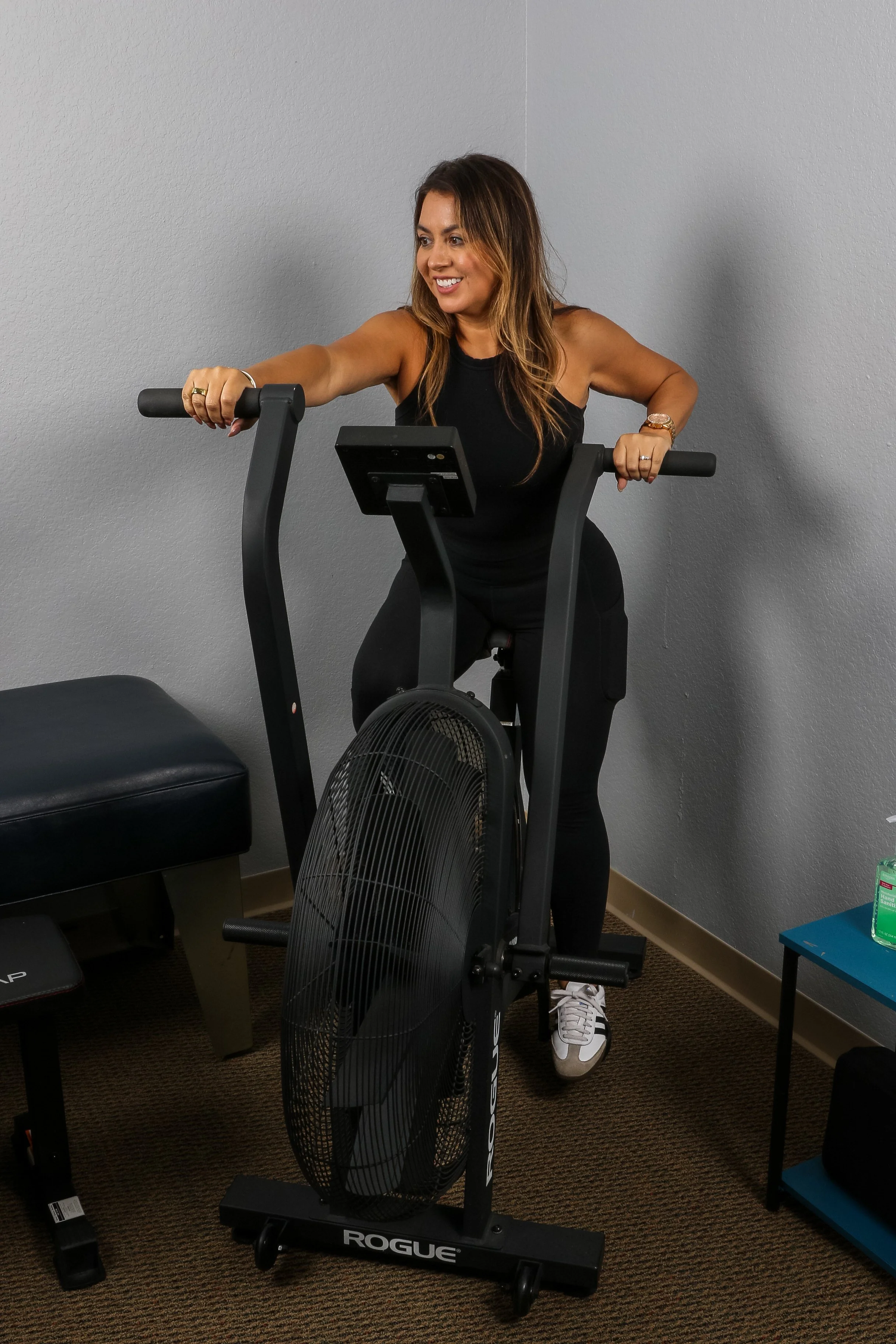
Therapeutic rehabilitation focuses on restoring proper movement patterns, strength, and stability to improve function and reduce the risk of future injury. While pain is often associated with joint restrictions, research shows that many musculoskeletal conditions are also influenced by muscle imbalances, decreased stability, poor motor control, and altered biomechanics. Addressing these underlying factors is an important part of long-term recovery.
Rehabilitation exercises are designed to retrain the body’s movement systems by improving strength, mobility, coordination, and neuromuscular control. These targeted exercises help restore normal joint mechanics, support proper posture, and improve the body’s ability to tolerate everyday activities, physical work, and sports. By strengthening the surrounding muscles and improving movement efficiency, rehabilitation helps reduce stress on joints and soft tissues.
Therapeutic rehabilitation may include a combination of corrective exercises, mobility work, stabilization training, and functional movement retraining. Programs are individualized to each patient and may focus on areas such as core stability, postural correction, balance training, or sport-specific performance depending on the patient’s condition and goals.
Therapeutic rehabilitation is commonly used to help manage and recover from conditions such as:
Low back pain and lumbar instability
Neck pain and postural strain
Shoulder impingement and rotator cuff dysfunction
Knee pain and patellofemoral pain syndrome
Hip pain and gluteal weakness
Sports injuries and return-to-play rehabilitation
Muscle strains and ligament sprains
Movement dysfunction and poor biomechanics
Chronic joint pain and recurrent injuries
At Bayshore Chiropractic and Wellness, therapeutic rehabilitation is often combined with chiropractic adjustments, manual therapy, and other evidence-based treatments to address both the structural and functional components of pain and movement dysfunction, supporting long-term recovery and improved quality of life.